
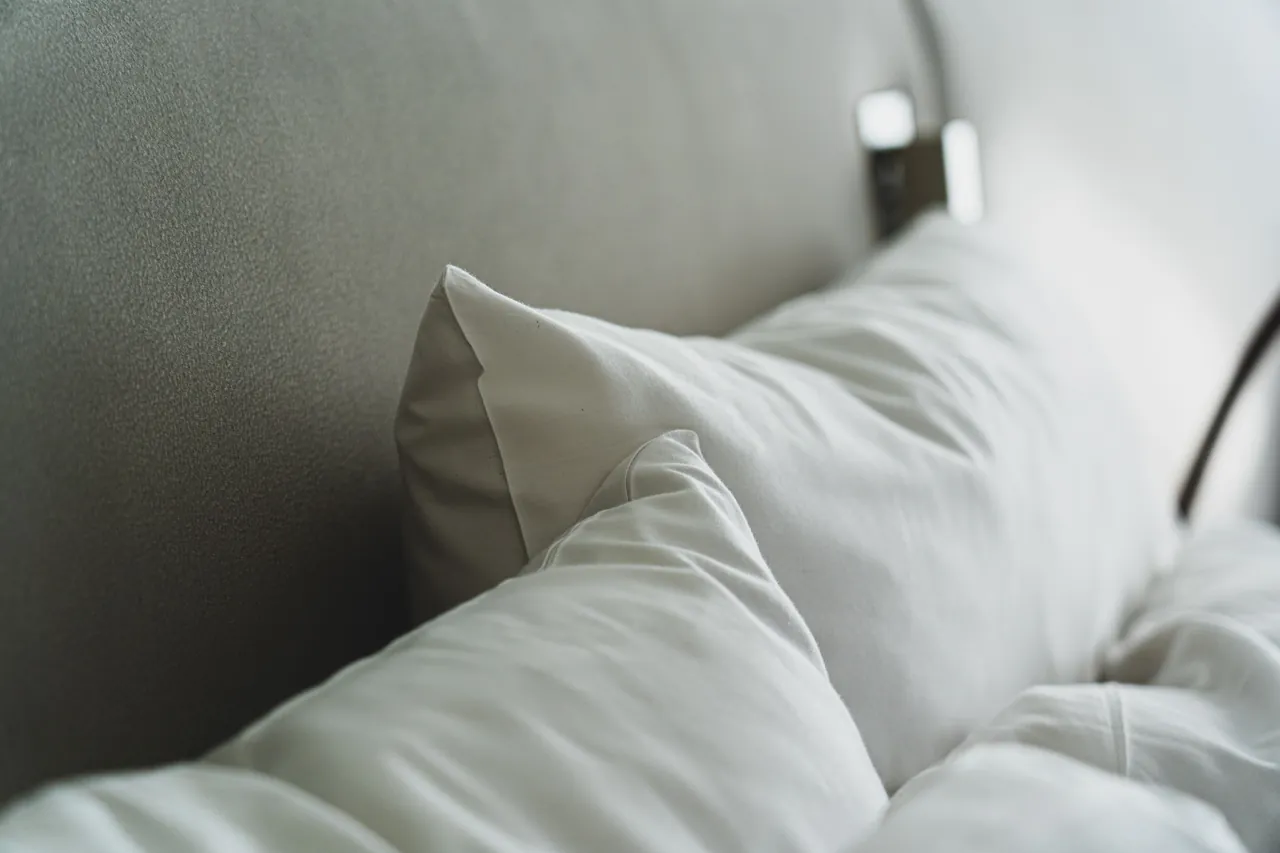
If you wake up with a blocked nose in the morning and it clears during the day, the culprit may be in your bed. House dust mites are creatures too small to see, and their favourite places are warm, humid and food-rich. A bed fits that description exactly.
Mites feed on the microscopic flakes shed from human skin. The flakes shed every night, along with the moisture and body heat we give off through the night, turn the bed and pillow into paradise for them. What causes the allergy is not actually the mites themselves but proteins in the waste they leave behind.
The good news is that home textiles are part of both the problem and the solution here. Washing duvet covers and pillowcases at 60 °C once a week significantly reduces the mite population. Airing the bedroom and keeping humidity low makes life hard for them. For people with marked allergies, very tightly woven, mite-proof mattress and pillow covers make a real difference. They do not need to contain chemicals; they do the job through pore size. If allergy symptoms are serious, seeing a doctor is of course the right thing to do.